
Gems from Ryan Thorpe (Co-founder at Fload, ex-Reflectly) in Meet The Guy Dominating The App Store on the Superwall Channel
Hi, fellow growth practitioner!
This week, I’m bringing you insights on Creatives, Organic Social and Paid UA.
🥇 TOP GEM OF THE WEEK
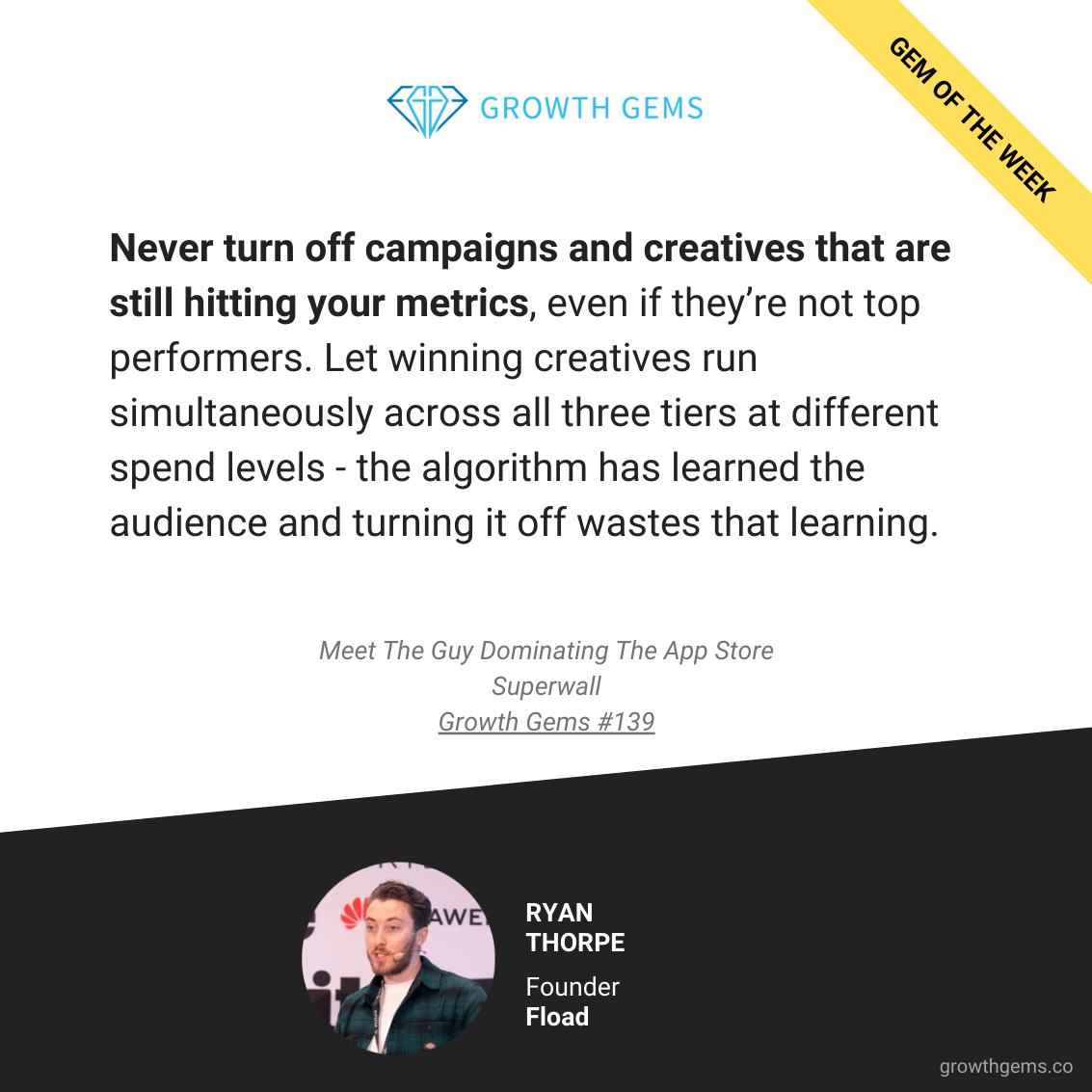
The title is click-baity asf (3M ARR is hardly dominating the App Store), but the content is good.
Ryan has been featured on Growth Gems several times and he was sharing insights about TikTok back in 2022.
At Reflectly, they built an “organic social” machine before it was cool, and more importantly used it to fuel their UA efforts.
Hope you like it!
💎 Don't over-polish your UGC ads. Raw, authentic content with imperfections like bad lighting or background noise often outperforms professionally produced content because it feels more genuine and stops the scroll.
(04:28)
stage: growth / scaled
💎 Acquiring under-monetized apps can provide more predictable ROI than ad spend while building equity in assets you can later sell, creating a compounding portfolio strategy.
(06:35)
When acquiring, look for under-monetized apps with strong user bases. By improving paywalls and subscription mechanics, you can achieve payback within 12-18 months while building a valuable portfolio asset.
For Reflectly, this apparently became an important strategy, that also enabled them to provide bundles.
If you want insights from one of the most successful companies at doing that (Bending Spoons), check out Growth Gems #130 👇

stage: growth / scaled
💎 Build an in-house 'creator university' to train content creators on your specific ad performance metrics and creative frameworks. This systematizes UGC production and ensures creators understand what drives conversions, not just views.
(06:35)
Easier said than done of course. This is particularly smart when you have a portfolio of apps, especially if there’s overlap in the audience: once trained, a creator can create videos for several apps. I’d be curious to know how this technically looks.
I’ve seen organic social agencies pitch something similar.
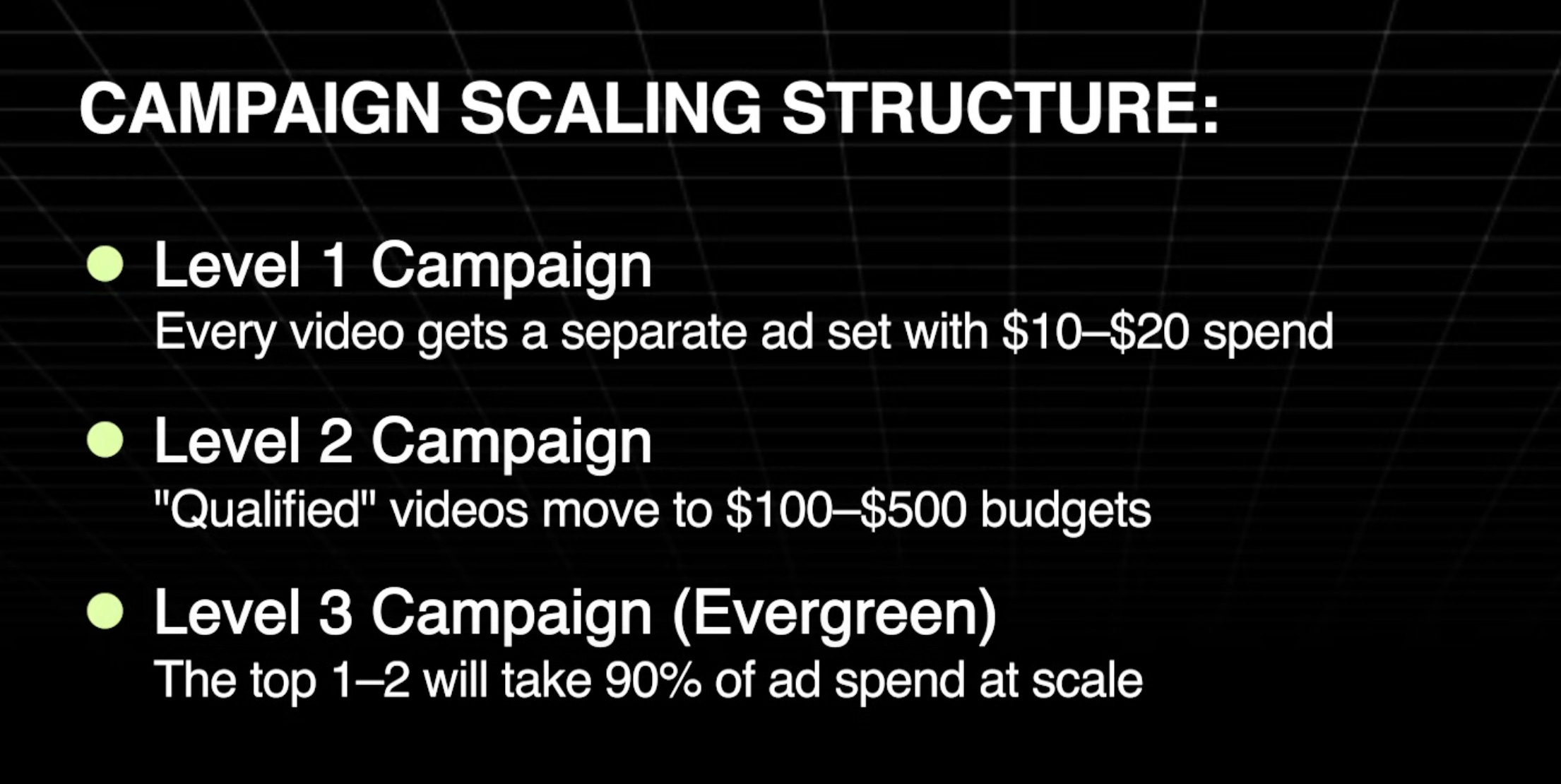
💎 Use a multi-stage testing funnel for UGC content: post organically first, boost winners with small ad budgets, then spark ads on creator accounts for top performers. This approach validates creative before scaling spend and maximizes distribution.
(11:35)
Ryan said to only start boosting organic content once it breaks 5-10K views. This signals the algorithm has validated the content beyond the initial ‘jail period’ of 0-300 views, indicating it has viral potential worth amplifying with paid spend.
Then, do the following:
I’m not as well-versed about TikTok, but for what it’s worth I saw some organic videos do below 5k views on Instagram and was still able to spend $20k+ on them. I’ve also seen some organic videos that did not do well when used as ads.
💎 If a creative can sustain a few hundred dollars per day while hitting your target metrics, it’s worth replicating across multiple creators. Most creatives will fail this threshold quickly.
(13:12)
The "few hundred dollars" threshold actually feels quite low to me, but if you have an army of creators at your disposition, then why not!
💎 Monitor comment velocity as an early viral signal. High comment volume relative to views indicates strong engagement and suggests the content has a hook that will drive further virality, even before view counts explode.
(13:59)
Ryan did not mention it here, but most apps now also have their own creators comment on the videos that start getting traction. Something like “what’s the app?” or “I tried it and it works”. Early comments are the ones with the most chances to get more likes (which you can also engineer) and be at the top.

💎 Leverage familiar voices and audio from popular creators to stop the scroll. Using recognizable voices (even via AI) creates pattern interruption and drives engagement, though be mindful of legal boundaries.
(17:27)
This one is obviously a “use at your own risks”. Ryan mentioned an example where they got a cease-and-desist. When something like this works, you might also not be able to push with more spend.
💎 Never turn off campaigns that are still hitting your metrics, even if they’re not top performers. Let winning creatives run simultaneously across all three tiers at different spend levels - the algorithm has learned the audience and turning it off wastes that learning.
(45:18)
Sometimes we get obsessed with “graduating” videos to the next level, so I liked what Ryan shared here: if a creative is performing well, keep it running. You don’t know if that same video is going to do as well once graduated to the same level.
💎 For health/fitness/productivity apps, concentrate your annual ad budget in January (e.g., up to 75%). User acquisition costs can be 50%+ cheaper due to New Year's resolution demand, making it the highest ROI period for these categories.
(19:49)
75% is wild, but this is sound advice. Prepare for this period as much as you can.
💎 Q5/Q1 is the “superbowl” for Health & Fitnessa apps. Start testing creatives Dec 26-28 with moderate spend ($5-10K/day) to identify your top 10 performers before the Jan 1-2 surge. Performance will be 2x better during peak days, so use the pre-period to validate which creatives to scale.
(24:27)
Something else I highly recommend: this is a perfect time to relaunch your best past creatives and re-test the ones that only got average results.
Also consider small iterations on top performers from throughout the year by tweaking them to better fit the season. That said, I’ve seen videos with summer mentions still do very well in the winter.
💎 Sunday-Tuesday are peak conversion days for health and fitness, so when January 1st falls on a Sunday, you get compounding effects. Plan your biggest push for Sunday mornings when both cycles align.
(25:32)
For 2026 for example, Ryan recommended pushing ad budget between Saturday, Jan 2 and Sunday, Jan 3 if early signals are goods.
I had not realized how big Sunday was for H&F!
💎 1st/2nd/3rd of every month show better conversion rates for health, fitness, and productivity apps.
(27:10)
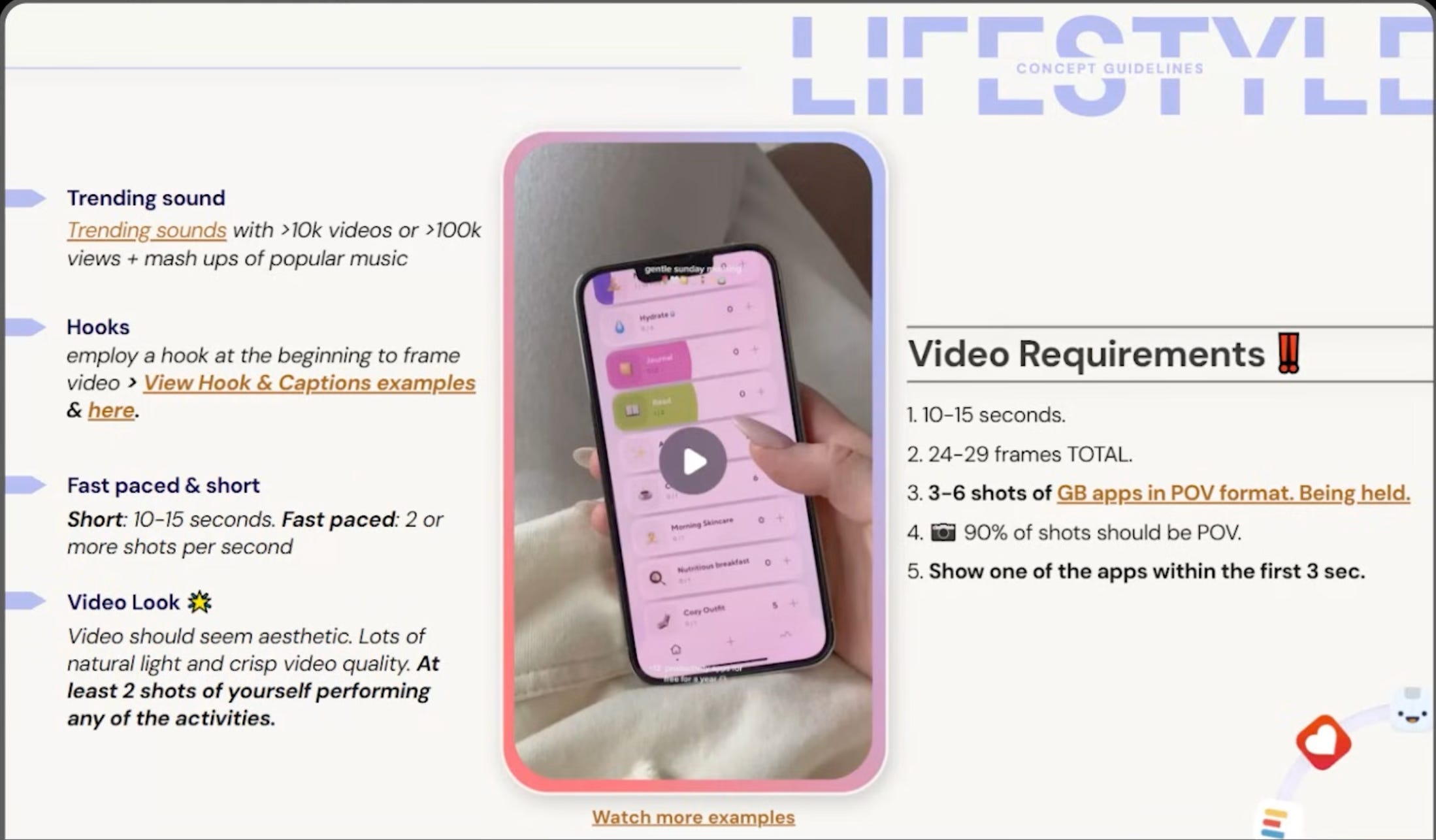
💎 Using trending audio significantly increases the likelihood of your content being pushed by the algorithm and catching viral momentum. Reflectly went so far as to hire someone to track trending TikTok sounds weekly and update your creator briefs accordingly.
(32:11)
They would then link to the Trending Sounds from creator briefs similar to the below.
💎 Frame partnerships as 'content creator' relationships, not influencer deals. This positioning focuses on creative output rather than follower count, reduces costs, and sets clear expectations around deliverables versus influence.
(34:54)
💎 Target creators with 2K-20K followers for UGC partnerships. This range indicates they understand platform algorithms and have proven creative discipline, while keeping costs low compared to larger influencers.
(35:18)
Followers don't matter as much nowadays, especially if you have creators created a new account to post anyway. What I've started paying a lot of attention to is if a creator has some videos that have gotten many more views than their average (it's actually what Joseph's tool spytok.com does).
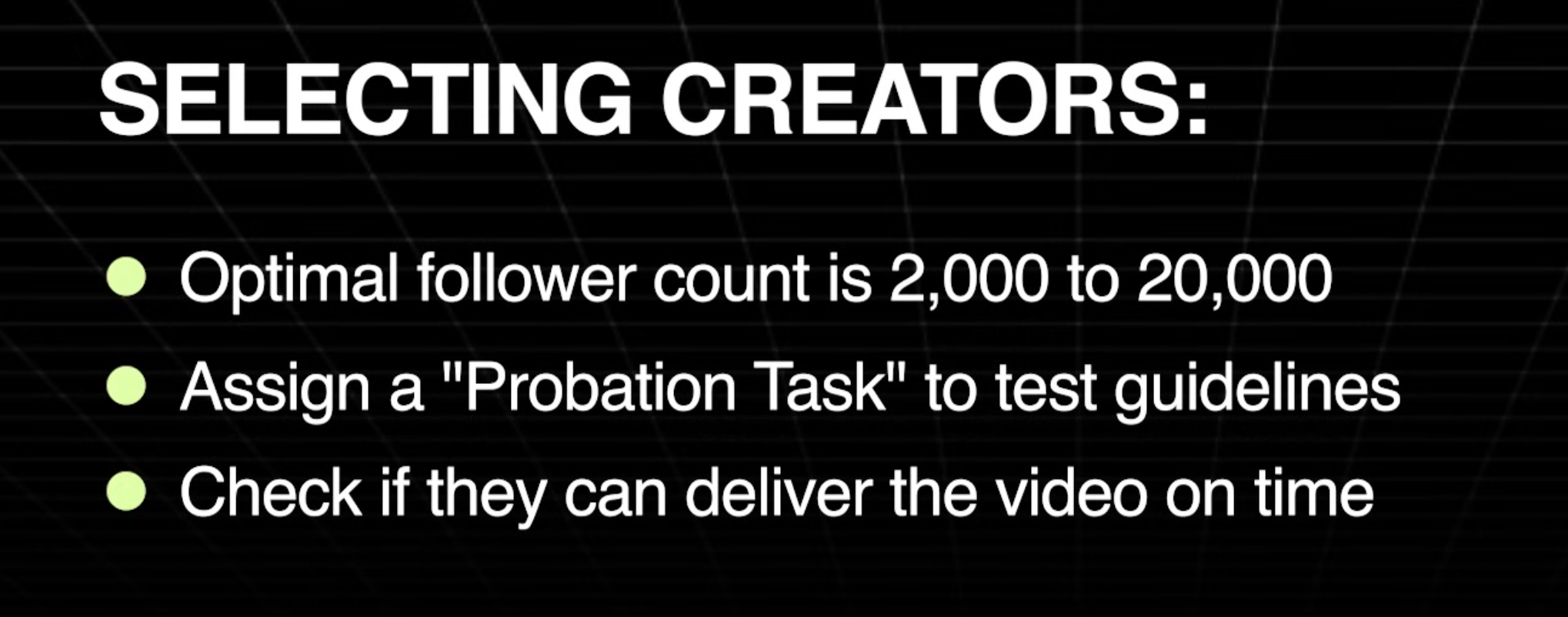
💎 Use a three-stage vetting process for creators:
Check follower count and content quality
Assign a test task with specific guidelines
Evaluate on-time delivery. Creators who pass all three stages are worth long-term partnerships.
(35:42)
Ryan told me they would onboard all creators into a Discord workspace. He did mention the issue of creators comparing pay, and this apparently led to private channels. He advises being transparent about the tiered compensation system, with everybody starting at the same level to build a “meritocracy”.
In How I Manage 1,000 TikTok Creators, Guillaume De Sá (Social Growth Engineers) shared about how he assesses creators with 4 core formats.
💎 To compensate creators, use a tiered flat-rate model that increases with proven performance rather than pure performance-based pay. Starting at $30-40 per video and scaling to $80-100 for reliable creators balances creator motivation with predictable costs.
(39:30)
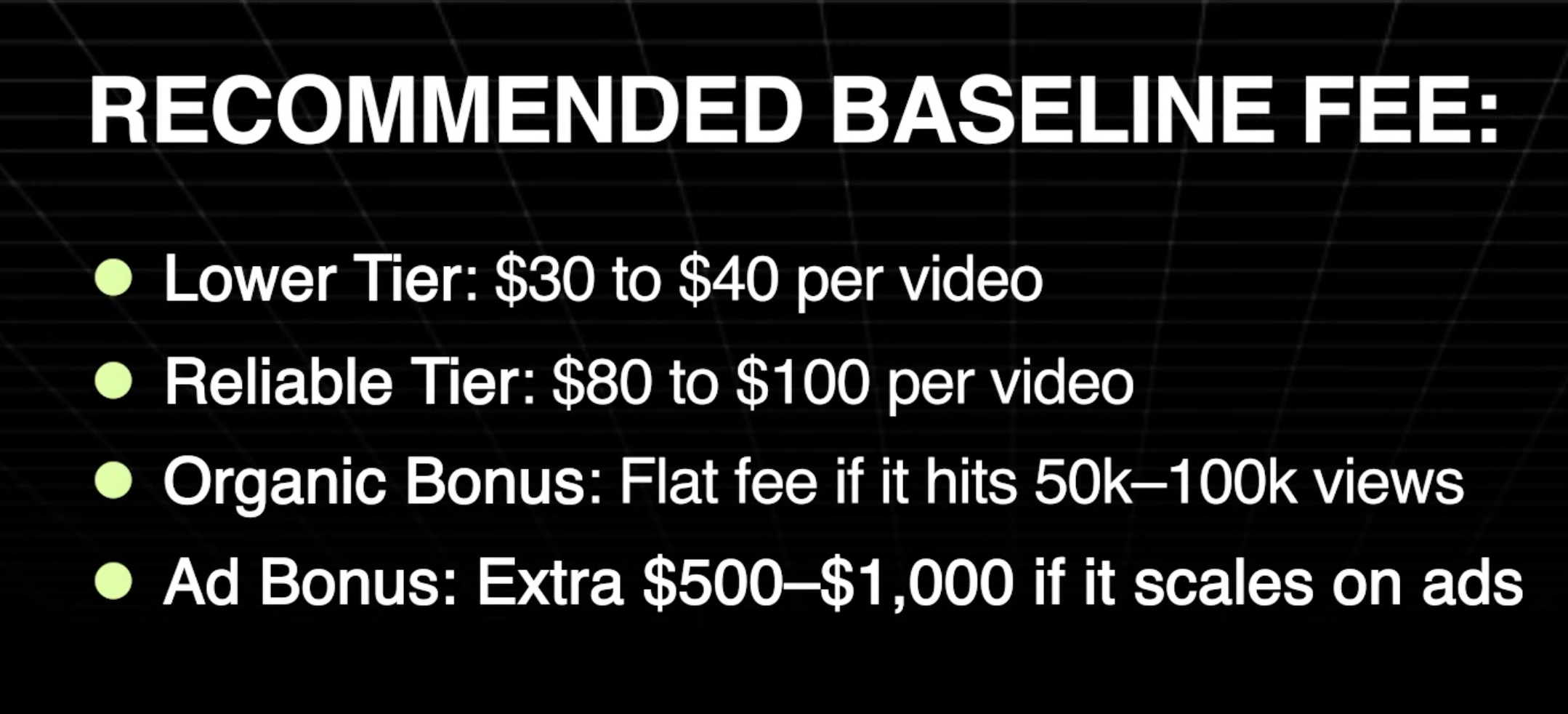
I feel like we now mostly see a CPM + bonus model, but Ryan said paying creators a guaranteed flat fee per video rather than pure performance-based compensation ensures they’re compensated for their time while bonuses for viral hits maintain quality and long-term loyalty.
I guess an alternative there is to have a small retainer.
stage: growth / scaled
💎 Consider B2B expansion when consumer growth plateaus. Apps with high engagement and proven user value can unlock new revenue streams through corporate wellness programs, especially in mindfulness, productivity, and health categories.
(42:33)
Ryan shared B2B contracts can deliver $200K+ over 3-5 years per client, providing more stable revenue than consumer subscriptions. Sales cycles can be 6-12 months but the long-term value and lower churn can make it worthwhile for mature apps.
Don’t try that too soon, though: it can be a massive distraction.
💎 Build measurable "product usage ROI" tracking into your B2B product. For wellness apps, implement before/after assessments (like stress tests) that demonstrate quantifiable improvements to corporate buyers, justifying the investment and enabling renewals.
(44:46)
Below is how the “stress test” looks in the Mindfulness App. It’s not in the onboarding, but part of the first few activities recommended.
I like how they recommend sessions right after, and suggest to set up reminders to take a new “stress test” a month later.
Also check out Ryan’s article on X How We Built a 40-App Portfolio With 50M+ Downloads (And Hit #1 on the App Store Twice)


See you next time.
Stay curious!
— Sylvain
Chief Insights Miner at Growth Gems ⛏️
(Fractional) Head of Growth at Reading.com
Growth Consultant/Advisor for high-potential subscription apps
Now also growing my own app
🔗 Source:
this is gold! thanks a lot!